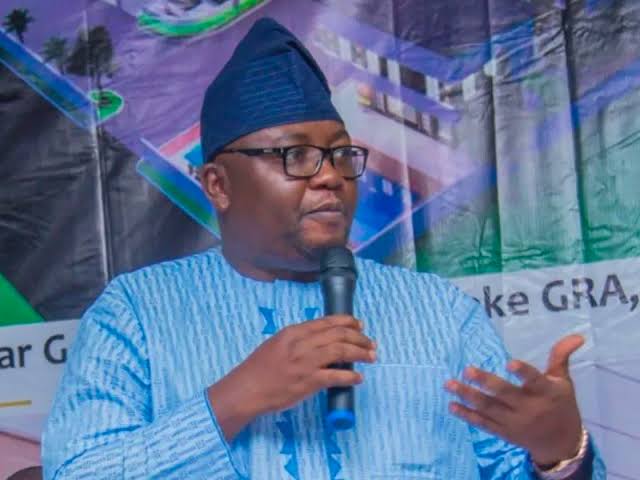
The Minister of Power, Adebayo Adelabu, has called on Nigerians to brace for electricity tariffs that align more closely with actual supply costs, emphasizing that the country can no longer sustain extensive subsidy payments.
Speaking during a meeting with chairmen of Nigeria’s power-generating companies in Abuja, Adelabu underscored the financial strain posed by subsidies, warning that they are economically unsustainable.

“Our economy cannot continue to carry the burden of subsidies indefinitely,” he stated.
Currently, the Federal Government owes over N4 trillion to power-generating firms in outstanding subsidy-related debts.
A report released by the Nigerian Electricity Regulatory Commission (NERC) for February highlighted a disparity in electricity costs. The real average tariff stands at N116.18 per kilowatt-hour, while consumers pay a subsidized rate of N88.2 per kilowatt-hour. The subsidy gap for that month was calculated at N27.97 per kilowatt-hour.
At present, all customers within the Nigerian Electricity Supply Industry (NESI) receive some level of subsidy, except the 15 percent classified under Band A.
Adelabu’s spokesperson, Bolaji Tunji, reaffirmed the minister’s stance, stating that Nigerians must be prepared to pay the appropriate cost for energy consumption.
However, the minister assured that the government would continue to offer targeted subsidies to support economically disadvantaged citizens.